
Thyroid Management With Obesity
Thyroid Management With Obesity for Metabolic and Hormonal Health
Thyroid disorders and obesity often coexist and influence each other in complex ways. An imbalance in thyroid hormones can affect metabolism, energy expenditure, and weight regulation, while excess body fat can further disrupt hormonal balance. Thyroid Management With Obesity requires a structured medical approach that addresses both conditions together rather than in isolation.
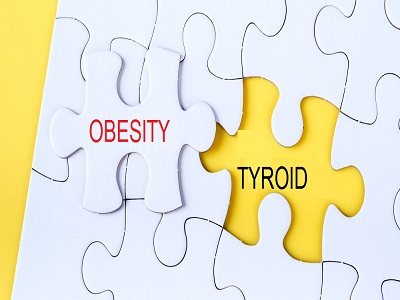
How Thyroid Disorders and Obesity Are Connected
The thyroid gland is essential for controlling the body’s metabolic rate. When thyroid hormone levels are low or excessive, the body’s ability to utilize energy efficiently is affected.
Hypothyroidism and Weight Gain
An underactive thyroid can slow metabolism, leading to gradual weight gain, fluid retention, fatigue, and reduced physical activity. These factors often make weight management challenging without medical guidance.
Obesity and Thyroid Function
Excess body fat may influence thyroid hormone conversion and increase inflammation, which can worsen existing thyroid imbalance. This bidirectional relationship highlights the need for combined evaluation and care.
Importance of Integrated Medical Evaluation
Managing thyroid disorders alongside obesity involves more than treating symptoms. Blood tests assessing TSH, T3, and T4 levels help determine thyroid function, while metabolic parameters such as blood sugar and lipid profile provide insight into obesity-related risks.
An integrated approach followed during Thyroid treatment in Pune helps identify overlapping factors such as insulin resistance, nutritional deficiencies, and lifestyle patterns that affect both conditions.
Health Risks of Untreated Thyroid and Obesity Combination
Metabolic and Cardiovascular Impact
When thyroid dysfunction and obesity remain untreated, the risk of diabetes, high cholesterol, and cardiovascular disease increases. Long-term hormonal imbalance can also affect blood pressure and heart rhythm.
Effect on Daily Functioning
Persistent fatigue, low energy levels, and difficulty losing weight can impact physical activity, mental well-being, and overall quality of life. Early medical attention supports better long-term outcomes.
Medical Approach to Thyroid Management With Obesity
Effective care focuses on restoring hormonal balance while addressing metabolic health. Treatment plans are individualized based on thyroid status, body composition, and associated conditions.
A structured Thyroid treatment in Pune framework emphasizes:
- Accurate diagnosis and regular monitoring
- Gradual metabolic stabilization
- Lifestyle guidance tailored to thyroid health
- Long-term follow-up rather than short-term fixes
This coordinated strategy is commonly adopted in a multidisciplinary Obesity center in Pune, where thyroid health and weight-related concerns are managed together.
Long-Term Care and Monitoring
Why Follow-Up Matters
Thyroid hormone needs may change over time, especially with weight fluctuations. Regular monitoring ensures stable hormone levels and prevents complications such as overtreatment or persistent imbalance.
Coordinated Metabolic Care
Managing obesity alongside thyroid disorders often requires ongoing assessment of blood sugar levels, lipid profile, and cardiovascular risk factors. This integrated care model supports sustainable health improvements and is a core focus at an established Obesity center in Pune.
Specialist-Led Care
Dr. Reema Kashiva focuses on metabolic and hormonal conditions, including thyroid disorders associated with obesity. Her clinical approach emphasizes evidence-based evaluation, patient education, and long-term metabolic stability.
A structured Thyroid treatment in Pune approach allows individuals to better understand the relationship between hormones and body weight, supporting informed decisions and consistent care.